You hand over the toothbrush, hoping this is the week your child will finally do it right on their own, then you peek in and find toothpaste on the sink, dry front teeth, and molars that never got touched. It can feel strangely exhausting. At Children’s Dental FunZone Crenshaw, brushing seems simple until you are the one trying to judge whether your preschooler needs full hands on help, whether your second grader is ready for more freedom, or whether your teen is rushing through the whole thing between school and sports.
Most parents are not asking for perfection. You want clean teeth, fewer battles, and some clear sense of what independence should look like at each age. That is the real issue. Children gain brushing skills in stages, not all at once, and most need supervision longer than adults expect. A pediatric dentist can help you judge readiness, but a good rule is simple. Young children need direct help, school age kids need coaching and checks, and teens need accountability even when they look fully capable.
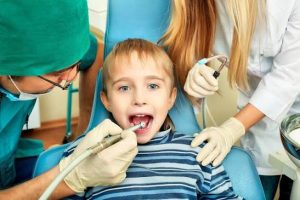
Brushing independence develops in stages, not on a birthday
One reason this gets confusing is that age and skill do not always match. A four year old may love the routine and still miss half their teeth. An eight year old may know the steps and still brush too fast. A thirteen year old may have the hand skills but not the focus. That gap between ability and consistency is where cavities start.
For preschoolers, brushing is mostly a shared task. They can hold the brush, practice small circles, and learn the order, but an adult still needs to finish the job. The guidance in these child toothbrushing instructions from MedlinePlus supports that basic idea. Kids this age are learning habits and motor control at the same time. If you leave them fully in charge too soon, they usually clean the easy spots and skip the back teeth and gumline.
Early elementary years often bring a false sense of confidence. Your child can get dressed, pack a backpack, and read a chapter book, so brushing should be easy, right? Not quite. Toothbrushing takes planning, timing, and attention to detail. That is why many children still need active supervision through about age seven or eight, and some need it longer.
By later elementary school, many kids can brush on their own with a parent checking afterward. This is often the sweet spot for teaching independence without disappearing from the process. You are not brushing for them every night, but you are still making sure the job is actually done.
Teen years bring a different problem. Skill is no longer the main issue. Motivation is. A teen may be fully able to brush well and still cut corners because they are tired, distracted, or running late. Independence at this age means ownership, not total silence from you. It is still fair to notice patterns, ask questions, and connect oral care to fresh breath, appearance, and avoiding dental work they do not want.
Age appropriate brushing independence from preschool through the teen years
Parents often want one clean milestone, but when kids can brush their teeth on their own is better viewed as a range. Daily support changes shape as your child grows.
| Age group | What most children can do | What parents should still do |
|---|---|---|
| 3 to 5 years | Hold the brush, copy motions, spit with practice | Apply toothpaste, guide brushing, finish the job every time |
| 6 to 8 years | Brush most surfaces, follow a routine with reminders | Watch closely, help with missed areas, check time and technique |
| 9 to 12 years | Brush independently most days | Do spot checks, reinforce two full minutes, monitor flossing and consistency |
| 13 to 18 years | Manage brushing alone | Keep expectations clear, notice skipped routines, address braces or cavity risk |
The CDC’s oral health tips for children reinforce the basics that matter at every age, including brushing twice a day with fluoride toothpaste and building routines early. Those routines matter because children do better with repetition than with reminders that change from day to day.
Technique also needs to match the child in front of you. A recent piece from UConn on brushing tiny teeth highlights a truth parents already know in their bones. Small mouths are hard to clean, and small children are not built for precision. If your child fights brushing, clamps their mouth shut, or turns it into a wrestling match, that does not mean you are failing. It means the task is still bigger than their skills and patience.
Tooth brushing milestones matter more than early independence
The biggest mistake is treating independence as the goal instead of clean teeth as the goal. If your six year old insists, “I did it,” but their molars still have plaque, they are not ready to be fully solo. If your ten year old has the skill and keeps missing nights, they need a better system, not more freedom.
This is where a pediatric dentist can be useful beyond cleanings. Patterns like repeated plaque buildup, early cavities, crowding, sensory issues, or braces can change what brushing independence should look like. Some kids need longer supervision because their mouths are harder to clean. Some need visual timers, electric brushes, or a parent standing nearby. That is normal.
Three practical steps you can use right away
Match the routine to your child’s actual skill. Ignore pressure to hand over the job just because your child hit a certain age. Watch one full brushing session. Are they reaching the back teeth, brushing along the gums, and spending two full minutes? If not, step back in.
Use a check, not a lecture. Children respond better when you keep it concrete. Try, “Open wide, I’m checking the back teeth,” instead of a long talk about responsibility. Teens may do better with a simple expectation like brushing before bed before phones are plugged in for the night.
Ask your pediatric dentist for a skill based benchmark. If you are unsure whether your child is ready for more independence, ask at the next visit. A quick look at plaque patterns, brushing technique, and cavity risk can tell you more than age alone.
What age appropriate brushing independence looks like from preschool through the teen years is not a straight line, and that is why so many parents second guess themselves. Your child can learn this, and you do not need to force independence before they are ready. Keep the standard simple. Clean teeth, twice a day, with support that fits their age and habits. If you need more guidance, schedule a visit with a pediatric dentist and get a plan that fits your child.
